
Product
A dedicated recorder and a doctor-controlled review flow.
Aira is being designed around a simple idea: capture the conversation with consent, make the state visible, and give the doctor the final say over the record.
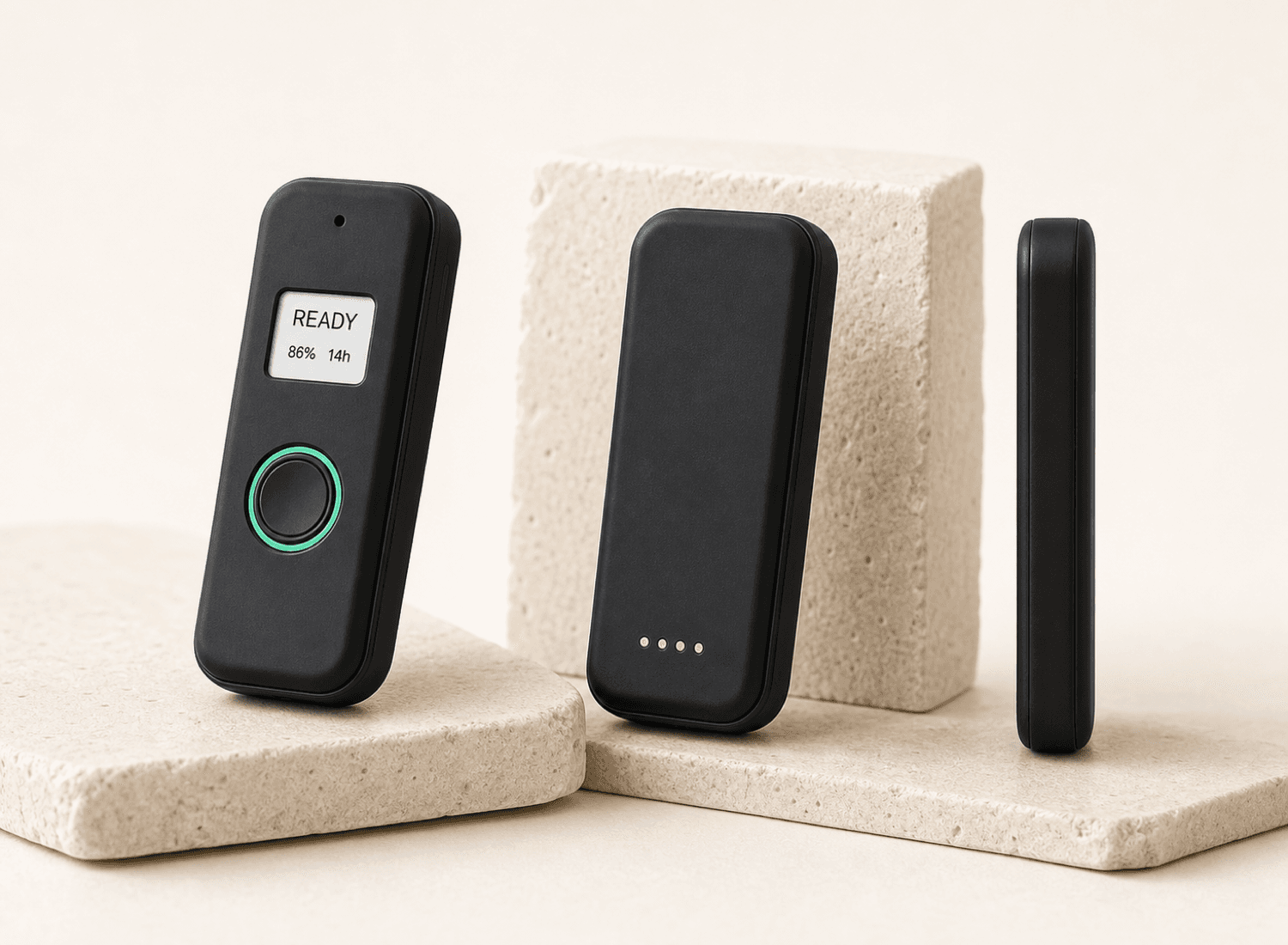 Concept render. Final product may vary.
The recorder
Small enough to stay out of the way.
The compact hardware concept uses a matte black body, a small status display, a microphone opening, an illuminated control, and charging contacts. It is a pilot-stage design, not a finished medical device.
One-button operation
A simple physical control is intended to make the beginning and end of capture unmistakable.
Visible status
The e-paper display and light ring communicate whether the device is ready, recording, saved, syncing, or needs attention.
Local storage
The concept includes local storage so a temporary connection issue does not need to interrupt a consultation.
Secure review
The review experience is separate from the recorder so the doctor can focus on the patient first, then inspect the draft.
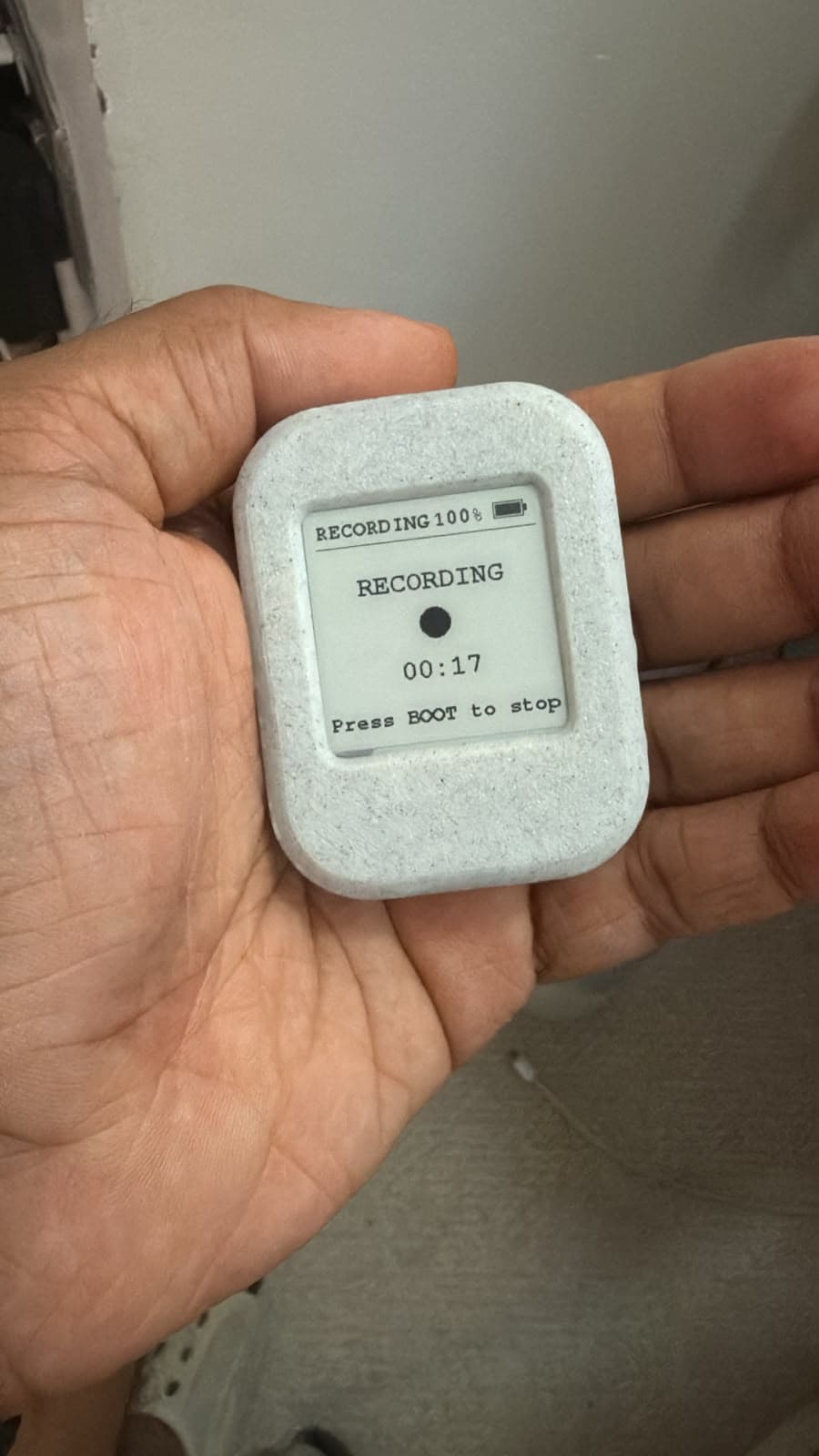
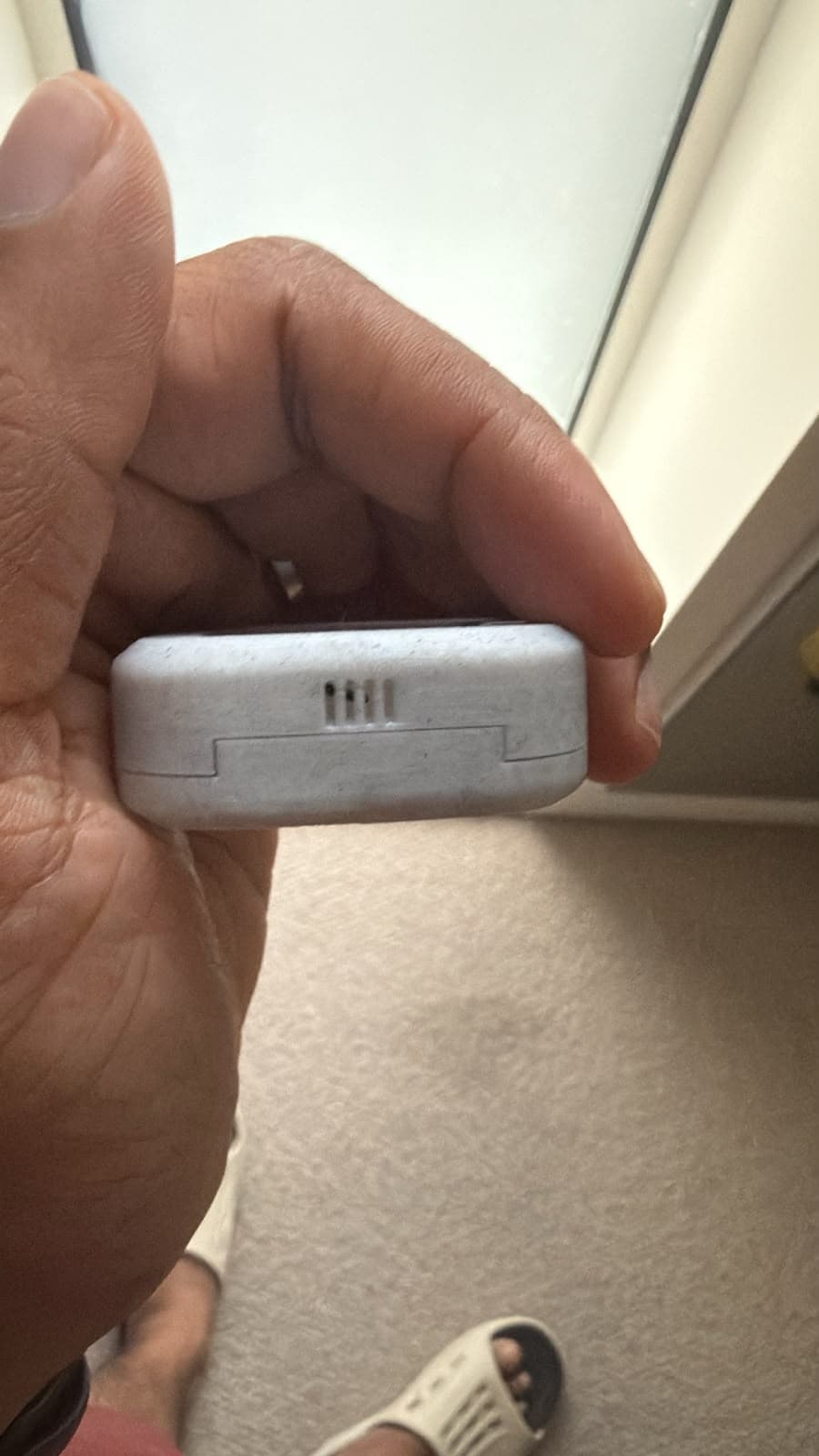
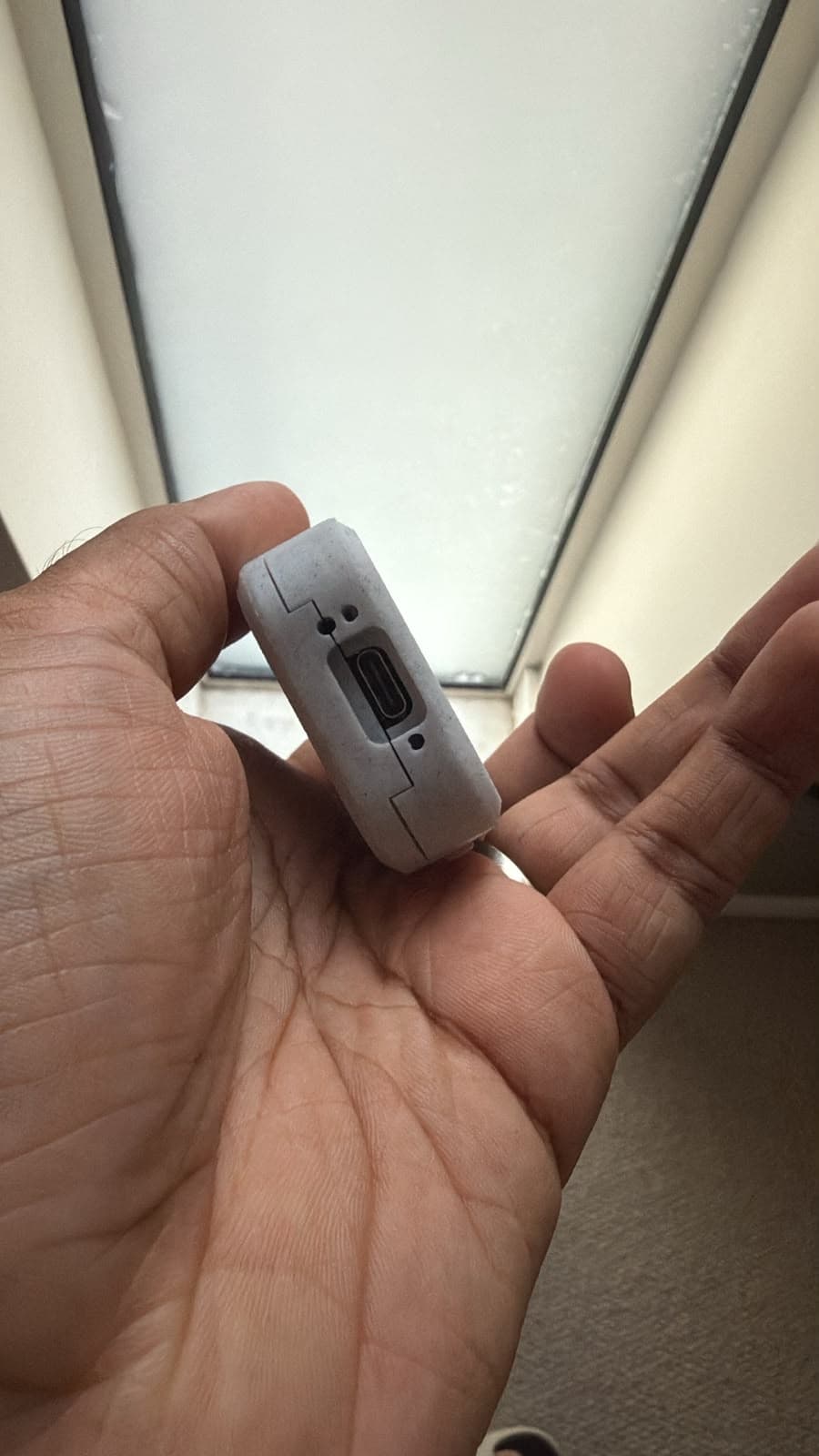
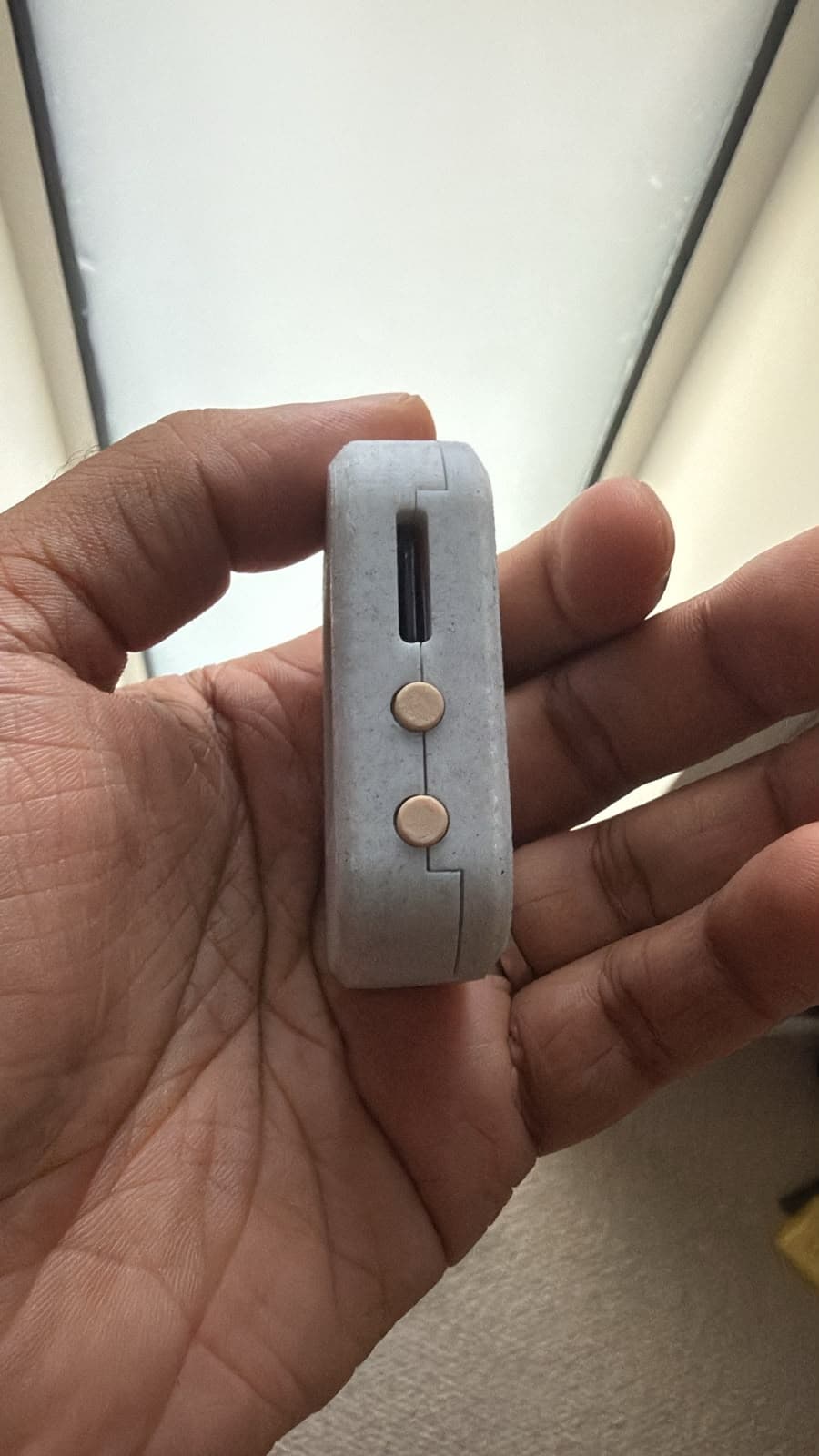
Working prototype
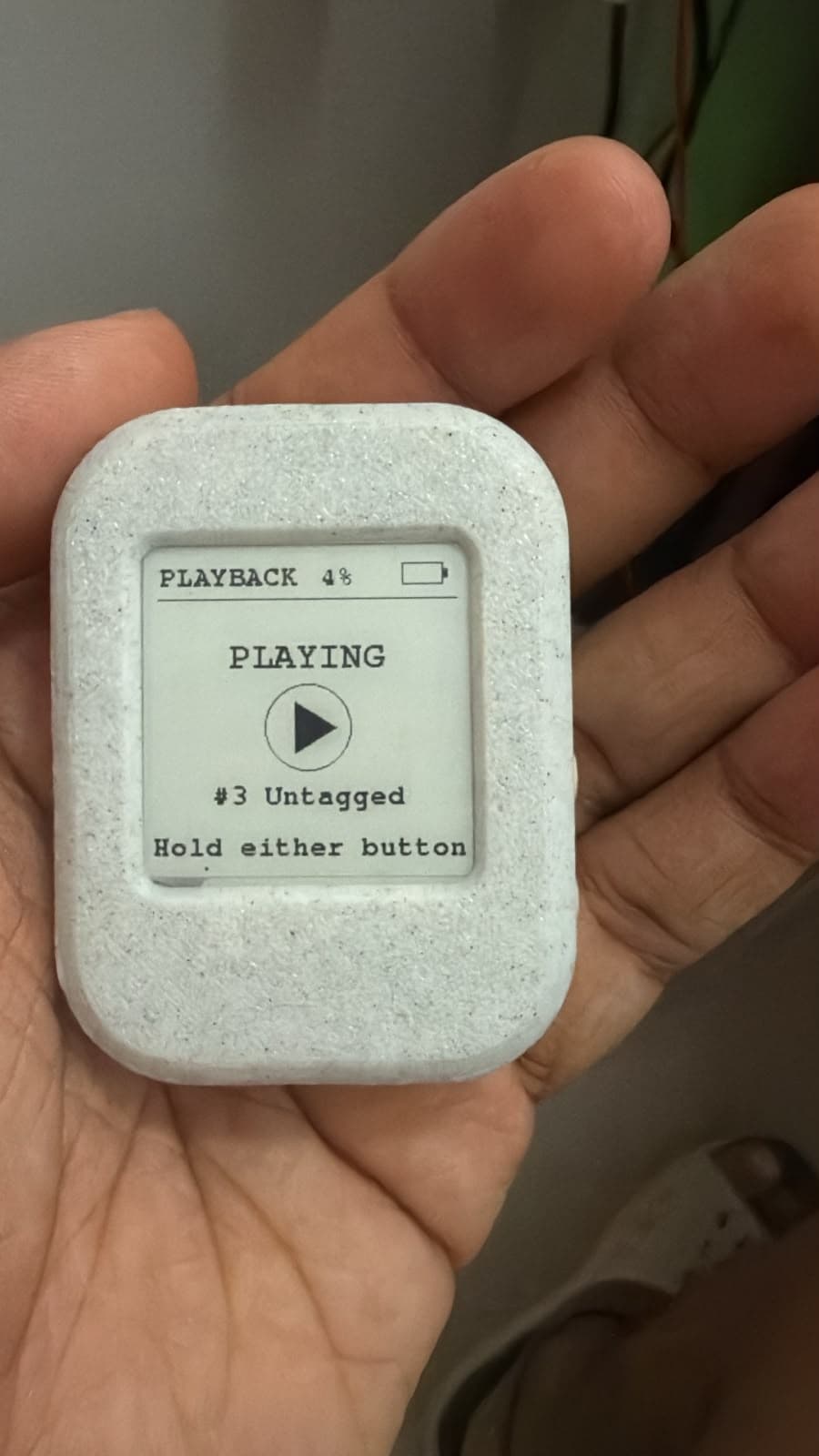
Before the polished concept, there was a device we could hold.
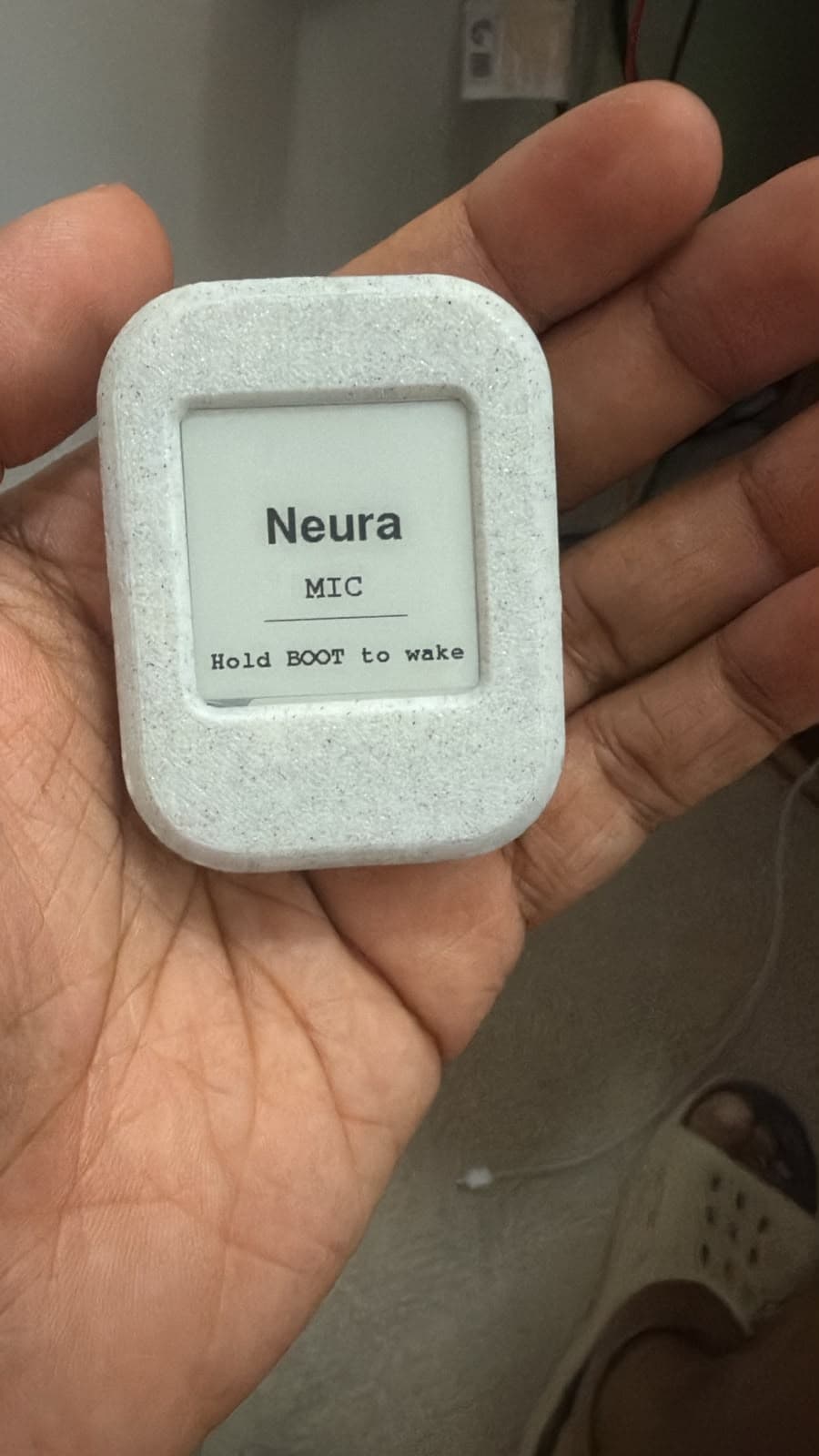
This early build helped us explore e-paper states, physical controls, recording and playback flows, port placement, and enclosure size.
The temporary Neura name appears on its screen. It is part of Aira's prototype history, not a separate public brand.
Early working prototype. Interface, materials, naming, and enclosure are not final.
The review app
Draft, review, approve, retrieve.
The software workflow is intended to organize consultation content for doctor review. It does not replace clinical judgment.
Draft
The consultation is grouped into useful record sections.
Review
The doctor checks wording, context, and omissions.
Approve
Only the reviewed version becomes approved context.
Retrieve
Approved context is available when a patient returns.
Correct
Authorized users can address errors through a documented workflow.
Control
Retention and access follow the clinic's agreed pilot settings.